


What people usually want
Four things people ask for before anything else.
01
An answer, not a maybe
The first consultation is for working out what is going on. If a gastroscopy or colonoscopy is needed, Dr Rabindran does his own, so it is not another referral to another person.
Gastroscopy & colonoscopy02
The cost, before you commit
Consultation fees and out-of-pocket estimates are published on this site, and written financial consent covering every cost is given before anything is booked.
Fees & rebates03
Care near where you live
Consulting rooms, endoscopy and operating lists sit across Melbourne’s east and south-east, so the consultation, the test and the operation need not be in three different suburbs.
Locations04
A decision, not a sales pitch
Many problems do not need an operation, or not yet. You should leave knowing what happens if you do nothing, what the alternatives are, and what surgery would involve.
His approach
Gastroscopy & Colonoscopy
Diagnostic and therapeutic endoscopy, bowel screening and surveillance.

General Surgery
Gallbladder, hernias and appendix, laparoscopic wherever suitable. Skin lesions and anorectal conditions as well.
Upper GI Surgery
Reflux, hiatus hernia and benign disease of the oesophagus and stomach.

Metabolic & Bariatric Surgery
Primary and revisional weight-loss surgery with long-term follow-up.
Start here
What brought you here?
Choose whichever is closest to what you have noticed. This is general reading to help you arrive at an appointment with better questions. It is not an assessment, and it cannot tell you what is causing your symptoms.
About {{ symptomLabel }}
{{ symptomNote }}
Topics you may find useful
These are simply topics people with this symptom sometimes read about. They are not a list of what you have, and appearing here does not mean any test or operation is needed.
Read about these topics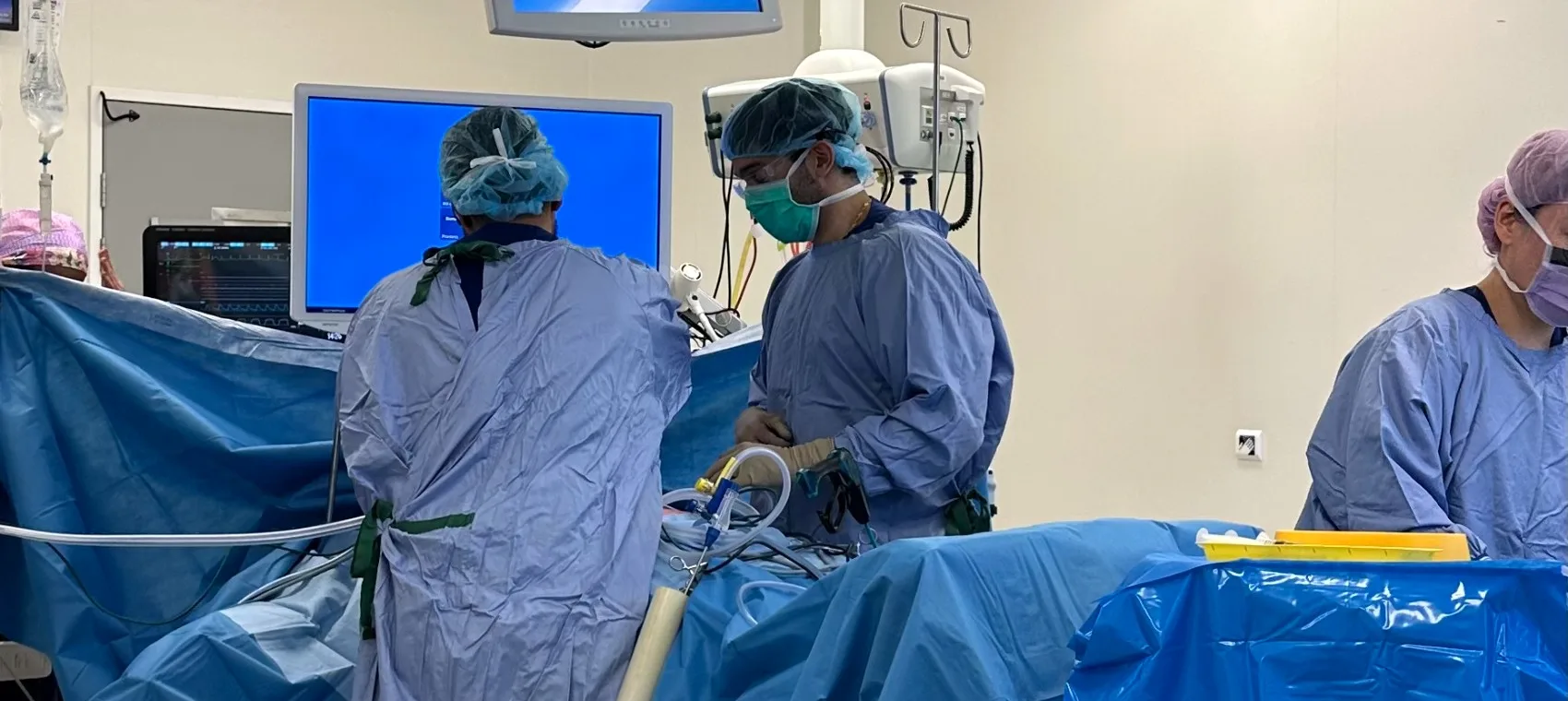


For referrers
Referring a patient
Electronic referrals are preferred, including online via MedRefer. Urgent referrals are accommodated where appropriate — call the rooms and Dr Rabindran will call you back.
HealthLink EDI
joelrabd
Medical Objects
Dr Joel Rabindran

Patient feedback collected and verified independently by Doctify.
About
Dr Joel Rabindran
BSc (Hons I) MBBS FRACS (Gen Surg) FANZMOSS
An Australian-trained general surgeon with fellowship training in upper gastrointestinal, hernia, bariatric and metabolic surgery, certified in gastroscopy and colonoscopy by the Gastroenterological Society of Australia.
Practically, that means the consultation, the gastroscopy or colonoscopy, the operation and the years of follow-up afterwards sit with the same person. Nothing is handed off at the point where the detail matters most.
His practice covers all general surgical conditions. The subspecialty focus is bariatric and metabolic surgery, both primary and revisional, alongside reflux, benign upper GI disease, hernia surgery and endoscopy. He works in a multidisciplinary way. Sophia Georgakis, Accredited Practising Dietitian, consults alongside him; bariatric physicians, psychologists and gastroenterologists are involved where they add something. The referring GP is kept in the loop throughout. He follows patients long after the operation itself.
Revisional surgery — assessing and treating problems after weight-loss surgery done previously, including bands, bypasses and sleeves — is an area of particular interest, and formed part of the case mix of his bariatric and metabolic fellowship training.
Research he has contributed to has been presented at international meetings, including the IFSO world congress in Melbourne and the annual meeting of the Society of American Gastrointestinal and Endoscopic Surgeons in the United States. His society memberships and registrations are listed below.
Three years of fellowship training
A year in upper GI, HPB and hernia surgery at St Vincent’s Sydney, then two consecutive years of bariatric and metabolic surgery in Melbourne.
His own endoscopy lists
Certified in adult gastroscopy and colonoscopy by GESA, so the camera test does not need a separate referral to someone else.
Experience beyond the operating list
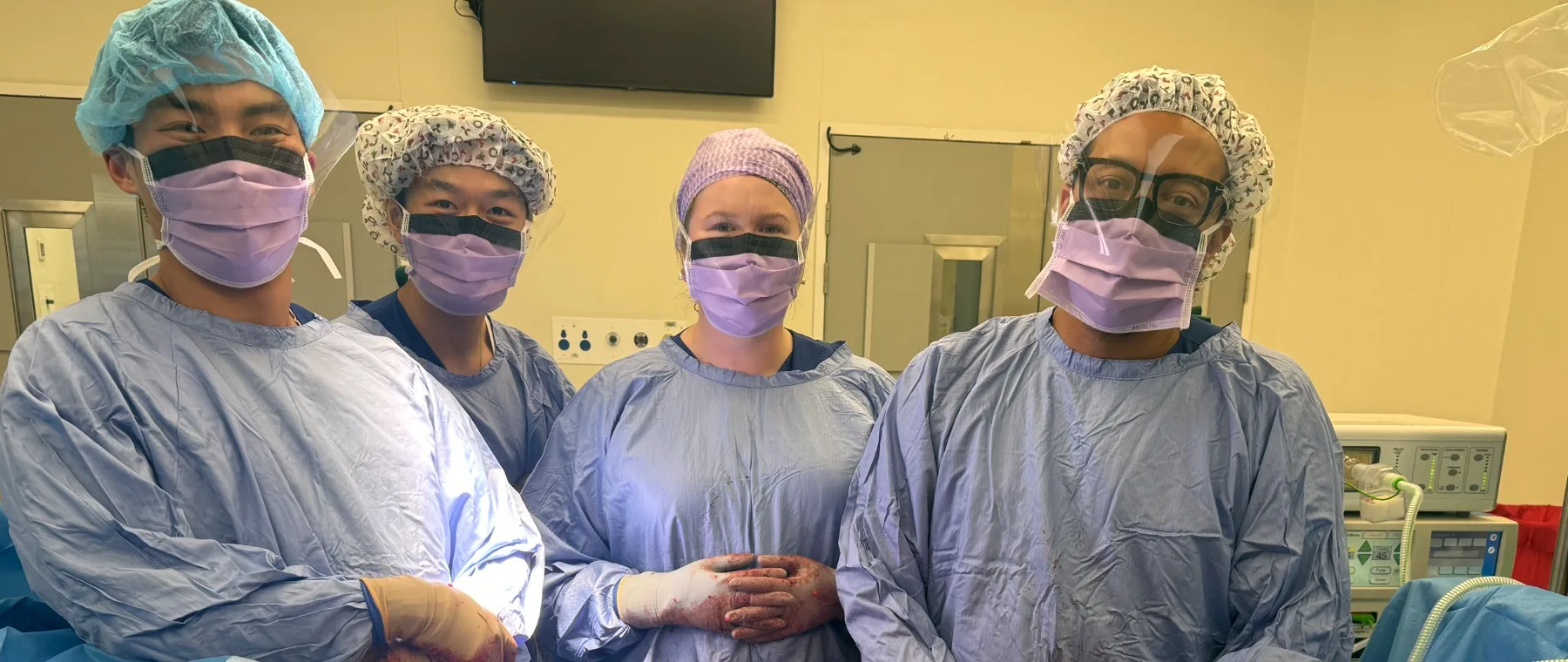
Surgical Superintendent at St Vincent’s Sydney — the surgeon responsible for the registrars’ rosters, training and day-to-day cover across the eastern Sydney network and its peripheral sites.
Published and presented
Peer-reviewed publications in Australian and international surgical journals, and presented work across hernia, upper gastrointestinal and bariatric surgery.

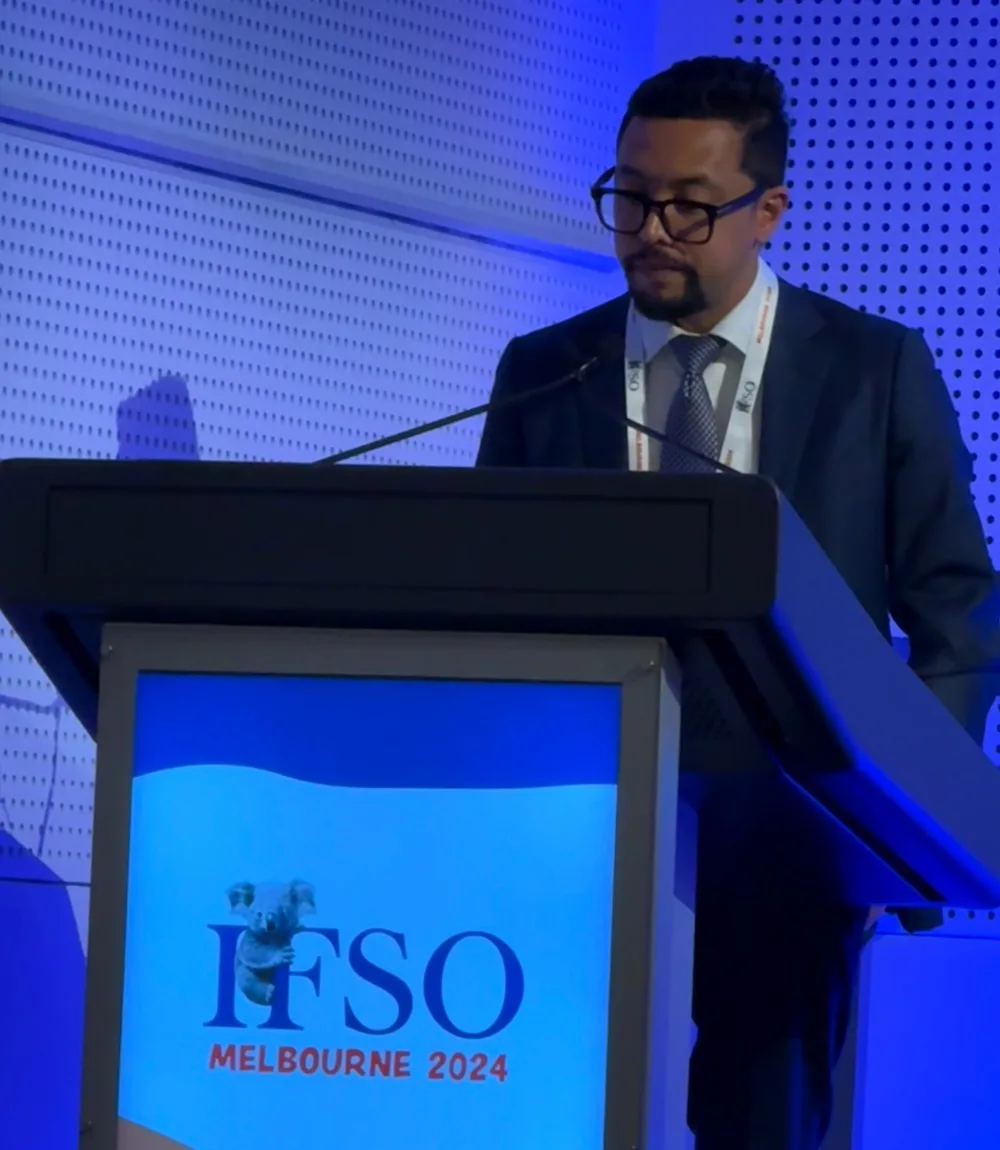
Presenting at IFSO Melbourne 2024, the world congress of the International Federation for the Surgery of Obesity and Metabolic Disorders.
Approach
Deciding whether to operate is as much of the job as the operation.
Some problems need surgery. Many do not, or not yet. A consultation should end with you understanding what the problem is, what happens if you do nothing, what the alternatives are, and what the operation involves, including the uncomfortable parts.
If it helps, write your questions down before you come. Nothing depends on you asking the right ones, though: Dr Rabindran will go through all of it with you either way, and no question wastes the appointment.
Patient feedback
Ratings are collected and verified independently by Doctify.
Registrations & memberships

Royal Australasian College of Surgeons

Australian & New Zealand Metabolic and Obesity Surgery Society

Australian & New Zealand Hernia Society

General Surgeons Australia

Gastroenterological Society of Australia

Australian Medical Association

European Society for Diseases of the Esophagus

International Society for Diseases of the Esophagus

International Federation for the Surgery of Obesity and Metabolic Disorders
Conditions
What Dr Rabindran treats
These are the conditions that make up most of the practice. Reading about yours before your appointment tends to make the consultation more useful — you arrive with better questions.

{{ g.group }}
{{ c.name }}
{{ c.text }}
Procedures
Operations & procedures
A guide to the procedures Dr Rabindran performs, written so you know roughly what is being talked about before your appointment. Most are performed laparoscopically, through several small incisions instead of one long one.
How any of these is done, and what it involves for you, depends on your own circumstances and is discussed and consented individually. Treat these pages as background reading; the details that apply to you are settled in your consultation.
{{ pr.group }}
{{ pr.name }}
{{ pr.text }}
{{ pr.note }}
This page is general information, not advice for your situation, and recovery times given are typical ranges, not a prediction for your case. All surgery carries risk — including bleeding, infection, blood clots, injury to nearby structures, recurrence, and the risks of anaesthesia — and no result can be guaranteed. The risks and likely benefits of any procedure suggested for you are explained in full, with time to ask questions, before you are asked to consent.
Scope of practice
This is a general, upper gastrointestinal and bariatric practice, weighted towards benign disease. Complex cancer surgery is not undertaken here. Where a cancer is found or suspected, or where pathology comes back malignant, Dr Rabindran will either manage it himself where it sits within his training and is the right thing for you, or arrange prompt referral to the appropriate subspecialist unit — and stays in contact with you and your GP either way.
If an operation you have been referred for is not listed, call the rooms and ask — the list above is not exhaustive.
Weight & metabolic
Obesity is a chronic medical condition.
Body weight is regulated by hormones, genetics, medication, sleep and environment far more than by resolve. When someone loses weight, the body responds by increasing hunger and lowering the energy it burns. That response is biological, and it is why most diets are followed by regain.
Treatment aims at that biology. For some people that means medication. For others it means surgery. For many it means both, at different points.

The options
The operations below are the ones Dr Rabindran performs, and the medications listed are ones he prescribes. Having more than one option on the table means the conversation can start with what suits you.
Results vary between individuals and no result can be guaranteed. Which option is appropriate depends on your own circumstances, and is decided with you rather than for you. Where something Dr Rabindran does not offer would suit you better, he will say so and refer you on.
{{ o.kind }}
{{ o.name }}
{{ o.text }}
{{ o.text2 }}
The descriptions above are general information, not advice for your situation, and no outcome can be promised. Results vary widely between people having the same treatment, no operation works without the changes that follow it, and all of these operations are major surgery carrying risks including bleeding, infection, blood clots, leak from a join, nutritional deficiency and the possibility of further surgery. The risks and likely benefits for you are discussed in full before any decision is made.
Support around the operation
Surgery is one part of the treatment. The rest is dietetic support, psychological support where it helps, and follow-up that continues for years. Sophia Georgakis, Accredited Practising Dietitian, consults alongside Dr Rabindran and you will meet her before any decision is made. Where psychological or medical input helps, that is arranged with practitioners he works with regularly. Physiotherapy and supervised exercise are available in the same building.
If weight has come back after a previous operation, that is a common reason to be referred and not a reason to feel awkward about it.
Working with

Sophia is an approachable Accredited Practising Dietitian specialising in nutrition support for bariatric surgery and weight management. Having worked in a tertiary hospital network in Melbourne for several years, she has helped hundreds of patients undergoing bariatric surgery.
She is focused on providing a personalised approach to support you through the pre-operative diet, and the staged return from fluids to normal textured foods. She recognises that life after bariatric surgery is a long-term journey and is here to guide you through every step of the way.
Alongside her bariatric work, Sophia advises across many other areas: pre- and post-surgery nutrition, diabetes, kidney disease, heart health, gut health and healthy ageing. A referral to her does not have to be about weight at all.
In-person or online consults are available depending on your lifestyle needs.
Also working with
Physiotherapy and clinical exercise

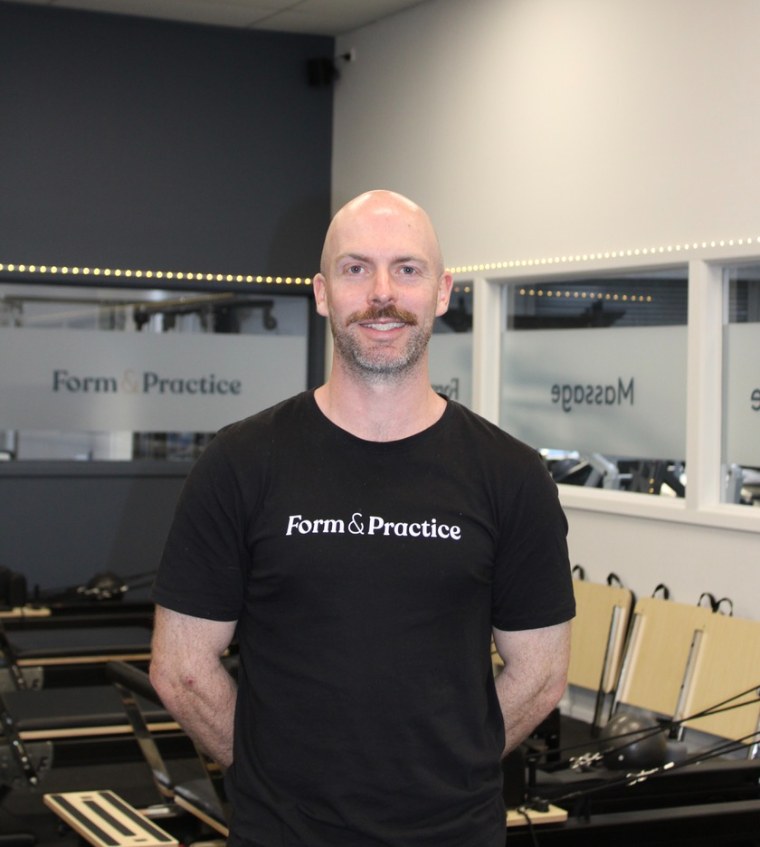
Tom Kerlin leads the Form & Practice physiotherapy team, who consult from the same building as the Chirnside Park rooms. Tom or one of his physiotherapists works with Dr Rabindran's patients where movement, strength or pelvic floor work is part of treatment.
That includes conditioning before major surgery, supervised exercise after bariatric surgery, return to activity after abdominal and hernia surgery, and pelvic floor and core rehabilitation. They also see patients for osteoarthritis and general musculoskeletal problems, and run physiotherapist-led clinical exercise and reformer pilates classes.
Appointments are made directly with them, and no referral is needed. formandpractice.com.au
Endoscopy
Gastroscopy & colonoscopy
Both are camera examinations done as day procedures, under sedation given by an anaesthetist. You will not be aware of the procedure, and you will be home the same day.
Dr Rabindran is certified in adult gastroscopy and colonoscopy through the Gastroenterological Society of Australia, and holds current recertification for colonoscopy. Recertification is a further step, and not every clinician keeps it up: it means performing a minimum number of colonoscopies each year and continuing to meet national quality standards, rather than being signed off once and leaving it there.
Gastroscopy
A thin flexible camera passed through the mouth to examine the oesophagus, stomach and the first part of the small bowel. Biopsies can be taken painlessly at the same time.
Usually done for
Reflux that is not settling · trouble swallowing · upper abdominal pain · nausea · iron deficiency · Barrett’s surveillance · before weight-loss surgery

Colonoscopy
A camera examination of the whole large bowel. Polyps found during the procedure are usually removed at the same time, which is what makes colonoscopy preventive as well as diagnostic.
Usually done for
A positive bowel screening test · change in bowel habit · rectal bleeding · iron deficiency · family history of bowel cancer · polyp surveillance

Bowel cancer screening
Bowel cancer is one of the few cancers that can be prevented rather than only detected, because it almost always begins as a polyp that takes years to change. Removing polyps removes that risk.
The National Bowel Cancer Screening Program posts a free test kit to Australians every two years from age 50 to 74. If you are aged 45 to 49 you are eligible to take part and can request your first kit without waiting for one to arrive.
A positive result does not mean cancer. It does mean a colonoscopy is recommended to find out what caused it.
Risks
Both procedures are generally well tolerated, but not risk-free. Bleeding and perforation are the two that matter, and both are rare — in the order of one in a thousand for a straightforward colonoscopy.
These are discussed with you before you consent, along with anything specific to your own health.
Patient information
What to expect
Most of the anxiety around surgery comes from not knowing the order of things. This page sets out what happens, from the first phone call to the last review.

Your first visit
Dr Rabindran will take a history, examine you, and go through any imaging you bring.
Bring with you
Your referral · Medicare card · private health card · medication list · imaging discs and reports · your questions, written down
Preparing for surgery
You will be given written instructions specific to your operation. In general: nothing to eat for six hours beforehand, clear fluids until two hours before.
Blood thinners and diabetes medications often need adjusting — this is planned in advance, never on the day.
Stopping smoking, even a few weeks out, measurably reduces complications.
Afterwards
For most operations you will be up and walking the same day. Pain relief is arranged before you go home, along with wound care instructions and a review appointment.
Do not drive while you still need strong pain relief, or while a wound would be strained by an emergency stop.
You will be given direct contact details for any concern that cannot wait.
Fees & rebates
No one should find out what an operation costs after agreeing to it.
Consultations
You pay the consultation fee on the day. Medicare pays its rebate straight back into your bank account, usually within a day or two. Your out-of-pocket cost is the difference, shown below.
{{ t.who }}
{{ t.note }}
{{ r.label }}
{{ r.item }}
Fee
{{ r.fee }}
Medicare pays back
{{ r.rebate }}
Your cost
{{ r.gap }}
Rebates shown are the Medicare benefit for items 104 and 105 as at 1 July 2026 and are indexed each year. A follow-up fee applies to the same problem whether the visit is before or after surgery.
There is no gap for DVA patients or WorkCover claims. If cost is what is stopping you, say so when you call — it is a routine conversation.
Surgery
You receive written informed financial consent covering the surgeon, surgical assistant, anaesthetist and hospital, with the relevant item numbers so you can confirm your rebate with your fund. It is sent after your appointment, and the procedure is not confirmed until you have read it and agreed.
Private health insurance
Cover varies between funds and policy tiers, and holding cover does not usually mean there is nothing to pay — an out-of-pocket gap applies to most procedures. You will be given the item numbers and a written quote so you can check your own entitlement before deciding. Bariatric surgery generally sits in a higher tier of cover and commonly carries a twelve-month waiting period.
Medibank No Gap — hernia repair at Mulgrave Private
Dr Rabindran participates in Medibank’s No Gap General Surgery Program for planned hernia repair at Mulgrave Private Hospital. Where a Medibank member is eligible and the program suits their hernia, the admission is covered with no out-of-pocket gap for the surgeon, anaesthetist and hospital. Any excess or co-payment on your policy is still payable, and consultations in the rooms are charged as normal.
Eligibility is not automatic. It depends on your level of Medibank cover and the waiting periods you have served, the program does not apply to emergency admissions, and whether it is the right way to repair your hernia is a clinical decision Dr Rabindran makes with you at your consultation. Some hernias, and some patients, are better served by a different plan. Medibank can confirm your own eligibility on 1300 509 144, and the program is described on the Medibank website. Participation is as at September 2026 and can change — confirm it with the rooms when your surgery is booked. Surgery at the other hospitals Dr Rabindran operates at is quoted in the usual way, with a written estimate before anything is booked.
Item numbers to quote your fund
Before you commit to anything, call your fund and ask whether you are covered for the item number below. It is the quickest way to find out where you stand.
Item numbers are a guide only. The items that apply in your case are confirmed in your written quote before booking, and an out-of-pocket gap usually still applies even when you are covered.
Without insurance
Self-funded quotes are available for most procedures. Ask the rooms and you will be given one total figure instead of separate accounts.
Common questions
{{ f.a }}
For referrers
Referring a patient
Referrals are welcome from any practitioner able to refer — general practice, emergency medicine, other specialties and nurse practitioners alike. Electronic referrals are preferred. Urgent referrals are accommodated where appropriate — call the rooms and Dr Rabindran will call you back directly.

Refer online
MedRefer
Send a referral straight from your browser, no software required. Choose the clinic the patient should attend.
HealthLink EDI
joelrabd
Medical Objects
Dr Joel Rabindran
Helpful to include
Relevant imaging and endoscopy reports, current medications including anticoagulants, and any prior operative reports — particularly for revisional bariatric referrals, where the previous operative note changes what is possible.
For weight-related referrals, current weight and height, obesity-related comorbidities, and what the patient has already tried are the three things that most speed up the first consultation.
Medibank No Gap — hernia repair at Mulgrave Private
Dr Rabindran participates in Medibank’s No Gap General Surgery Program for planned hernia repair at Mulgrave Private Hospital. Eligible Medibank members have no out-of-pocket gap on the surgeon, anaesthetist and hospital costs of the admission. Excess and co-payments still apply, as do the usual fees for consultations in the rooms.
Suitability is assessed at consultation rather than assumed: emergency admissions are excluded, and complex or recurrent hernias and significantly comorbid patients may be better served outside the program. Worth noting in your referral if the patient holds Medibank cover. Program details are on the Medibank website. Participation is as at September 2026 and can change; the rooms will confirm at booking. Referrals to any of the other hospitals are unaffected — send the patient to whichever site suits them and the program will be raised only if it fits.
Correspondence
You will receive a letter after every consultation and a copy of every endoscopy and operation report.
If a patient of yours is admitted unexpectedly, you will be told before they are discharged.
Dietetics — Sophia Georgakis, Accredited Practising Dietitian, consults alongside Dr Rabindran and can be referred to directly, for bariatric or general dietetics including pre- and post-surgery nutrition, diabetes, kidney disease, heart health, gut health and healthy ageing. In-person or telehealth.
Rooms: reception@drjoelrabindran.com
Patient feedback collected and verified independently by Doctify.
Contact
Get in touch
The quickest way to be seen is to call the rooms. If it is easier, send an enquiry and reception will call you back, usually the same working day.
Appointments & enquiries
reception@drjoelrabindran.com
Referrals
HealthLink EDI joelrabd · Medical Objects Dr Joel Rabindran
In an emergency
If you are seriously unwell, call 000 or go to your nearest emergency department. Do not wait for a reply here.
Registration
Dr Joel Rabindran BSc (Hons I) MBBS FRACS (Gen Surg) FANZMOSS
Specialist General Surgeon, Medical Board of Australia
AHPRA registration number MED0001783438
Thank you
Your enquiry has been sent. Reception will be in touch, usually within one working day. If it is urgent, please call the rooms.
Send another enquiryWhen you can reach us
These are the hours the phone is answered by a person at each clinic. Outside them, leave a message and reception will call you back on the next working day.
{{ h.clinic }}
{{ h.note }}

If something wasn't right
Tell reception. Whether it is the waiting time, an account, something that was not explained well, or the care itself, the rooms would rather hear it directly and put it right. Call (03) 7057 5055 or write to reception@drjoelrabindran.com and you will get a response.
Patient feedback collected and verified independently by Doctify.
Privacy
Privacy policy
This practice is bound by the Australian Privacy Principles under the Privacy Act 1988 (Cth) and by the Health Records Act 2001 (Vic). Your medical record is a confidential document, and it is practice policy to keep it that way.
What is collected
Your name, date of birth, contact details, Medicare and health fund details, and the clinical information needed to care for you: your referral, medical and surgical history, medications, allergies, examination findings, test and imaging results, operation records and correspondence.
If you contact the rooms by phone or email, that contact and any details you provide are recorded so your enquiry can be answered.
Why it is collected
To assess and treat you, to arrange procedures and admissions, to communicate with the other practitioners involved in your care, to claim Medicare and health fund benefits, and to meet legal and professional record-keeping obligations.
Who it is shared with
Information is disclosed only where it is needed for your care or where the law requires it. In practice that means your referring doctor and other treating practitioners, the hospital or day facility where you are treated, your anaesthetist and assistant, pathology and radiology providers, Medicare and your health fund, and the practice’s billing and software providers under confidentiality obligations.
Your information is not sold, and it is not used for marketing. It is not disclosed to your employer, your insurer or anyone else without your consent, unless required by law or necessary to lessen a serious threat to life or health.
Storage and security
Records are held electronically in access-controlled clinical software hosted in Australia, with paper records kept securely where they exist. Records are retained for the periods required by law — for adults, at least seven years from the last occasion of care, and for children, until the age of 25 — and are then destroyed securely.
Access and correction
You may request access to your record, or ask for a correction if something in it is wrong. Put the request in writing to the rooms. Access is provided in most cases, and where it is refused you will be told why in writing. An administrative fee may apply for retrieving and copying a large record.
This website
This site does not require you to identify yourself and does not collect health information. It embeds a map from OpenStreetMap and a patient feedback widget from Doctify; where you interact with those, the third party may record technical information such as your IP address under its own privacy policy.
Email is not a secure medium. Please do not send clinical details or images by email; phone the rooms instead.
Complaints
If you are concerned about how your information has been handled, contact the rooms on (03) 7057 5055 or at reception@drjoelrabindran.com and it will be looked into directly.
If you are not satisfied with the response, you may complain to the Office of the Australian Information Commissioner at oaic.gov.au, or to the Health Complaints Commissioner in Victoria at hcc.vic.gov.au.